
iGreenAsia advises targeting food, shelter and entry points to keep lizards away. Inspect and seal gaps, screen vents, and remove clutter and ground debris that create hiding spots. Use gentle capture and release or instant live traps for immediate removal lizard repellent spray. Reduce insect prey with sanitation and controlled lighting. Apply neem, garlic, or diluted peppermint around crevices and install physical barriers like mesh and motion-activated devices. Follow a landscaping and inspection plan to prevent returns and learn effective long-term tactics.
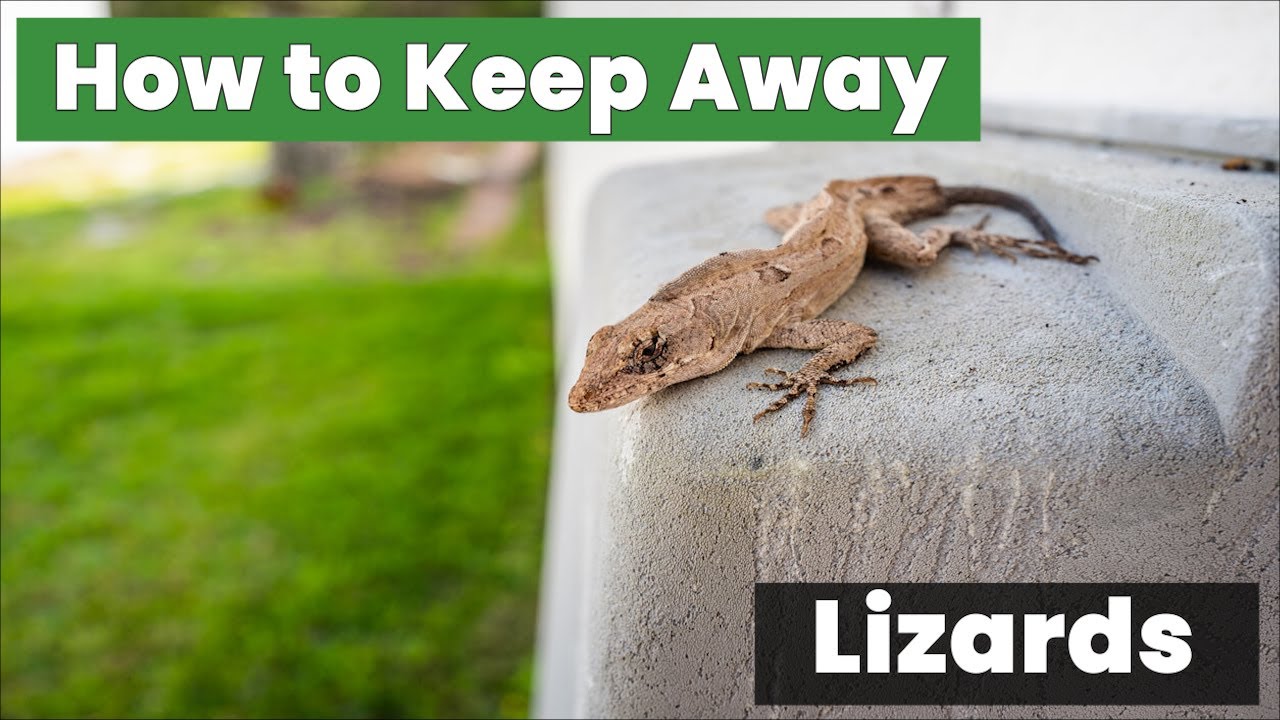
Why Lizards Come Into Homes and When to Worry
Often drawn by food, shelter, and warmth, lizards enter homes seeking insects, hiding spots, or stable microclimates; they are more common where cracks, clutter, and outdoor lights provide easy access and prey. Observers note seasonal behavior drives movement: cooler months push some species indoors for warmth, while rainy periods increase insect prey and lure lizards closer.
Nesting habits matter for concern—transient visitors differ from species that lay eggs in secluded indoor crevices. Risk assessment is pragmatic: occasional sightings are benign, persistent presence or evidence of eggs calls for inspection and exclusion https://igreenasia.com/. Structural gaps, unsealed vents, and persistent insect populations create permissive environments. The objective view recommends targeted proofing, sanitation, and monitoring rather than immediate alarm.
Quick, Humane Fixes to Remove Lizards Right Now
Regularly, one can remove an indoor lizard quickly and humanely by combining calm containment, safe capture tools, and prompt release outdoors.
The recommended approach emphasizes minimal stress: isolate the area, close doors and curtains to limit flight, then employ a soft towel or clear container for gentle capture.
Instant traps designed for live capture may be used when immediate containment is required; select models that do not injure and check them frequently.
Avoid harmful chemicals or lethal devices.
After capture, transport the lizard to a nearby suitable habitat and release it promptly, allowing it to retreat.
This method preserves the animal’s wellbeing while restoring occupant freedom and peace of mind, delivering a practical, lawful solution for immediate removal.
Make Your Home Less Attractive: Seal Entry Points and Remove Food Sources
By targeting how lizards enter and what sustains them, homeowners can make a property unattractive and greatly reduce sightings.
A pragmatic approach focuses on exclusion and starvation of shelter: Seal gaps around doors, windows, pipe penetrations, and vents with weatherstripping or silicone; screen vents and repair torn mesh. Remove clutter near foundations, under eaves, and in garages to eliminate hiding spots and hunting grounds. Reduce insect prey by keeping food sealed, cleaning crumbs, and securing outdoor lighting that attracts bugs.
Inspect periodically and maintain defenses; freedom from frequent checks requires durable fixes.
Suggested actions:
- Seal gaps promptly and inspect seals monthly.
- Remove clutter and store materials off the ground.
- Limit insects by cleaning and managing lights.

Eco-Friendly Repellents and Deterrents That Actually Work
After sealing entry points and removing food and shelter, homeowners can add eco-friendly repellents and deterrents to reinforce those barriers. The guide recommends targeted use of natural essentials — neem oil, garlic sprays, and diluted peppermint — applied to cracks, window sills, and perimeter crevices to create inhospitable scent barriers without harming wildlife.
Physical deterrents like sticky strips and mesh guards block access to favored perches. Motion-activated lights and fans interrupt lizard activity around doors and patios. Ultrasonic devices can supplement other measures but should be chosen carefully, with models that cover the intended area and avoid false promises.
Products should be tested in small areas, rotated if effectiveness wanes, and combined with exclusion tactics for durable, low-impact results.
Long-Term Prevention Plan: Landscaping, Maintenance, and Monitoring
With a focus on landscape design, routine maintenance, and targeted monitoring, a long-term prevention plan minimizes lizard attractants and sustains exclusion measures over time. It emphasizes native planting to support balanced ecosystems while avoiding dense groundcover that shelters reptiles.
Structural landscaping uses hardscapes and cleared perimeters to deny entry points. Irrigation management reduces standing moisture that draws prey; timed, targeted watering preserves freedom from constant damp habitat.
Habitat reduction removes debris, rock piles, and dense mulch; routine inspection keeps these practices effective. Monitoring documents sightings and adjusts measures promptly, preserving control without heavy intervention.
- Prioritize native planting and sparse groundcover.
- Implement irrigation management and frequent inspections.
- Apply structural landscaping and habitat reduction consistently.
Conclusion
Lizards enter homes seeking food, shelter, and warmth; most are harmless but persistent presence signals conditions to fix. Immediate, humane removal and effective deterrents reduce sightings quickly, while sealing gaps, controlling insects, and tidy landscaping prevent recurrence. Eco-friendly repellents and routine maintenance offer safe, lasting protection. Regular monitoring and prompt repairs complete a practical prevention plan. Following these steps consistently keeps homes lizard-free without harm to wildlife or household members.